
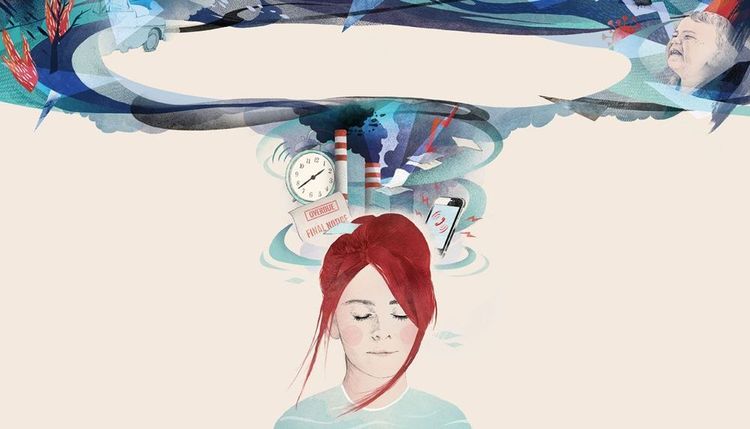
Panic disorder is a type of anxiety disorder characterized by unexpected and repeated episodes of intense fear. This article explores how individuals can transform their experience with panic disorder into personal strength.
Understanding Panic Disorder
Panic disorder involves recurrent panic attacks combined with significant periods of constant fear or worry about having other attacks. These attacks are often debilitating and can significantly impact a person's quality of life. Panic disorder is often described as the fear of fear itself. It is not just the panic attack that causes distress, but the ongoing worry about when the next one might happen. People begin to monitor their bodies closely, scanning for any sign of dizziness, a racing heart, or shortness of breath. Once a sensation shows up, the mind quickly interprets it as danger, which fuels more anxiety and escalates into panic. Over time, the fear of having another panic attack becomes just as powerful as the attacks themselves.
Symptoms of Panic Disorder
The symptoms of a panic attack can include:
- Rapid heart rate
- Sweating
- Trembling or shaking
- Shortness of breath
- Feelings of impending doom
This cycle keeps the nervous system on high alert. The body learns to associate normal sensations with threat, even when there is no real danger present. People may start avoiding places, situations, or activities where panic has occurred before, not because those places are unsafe, but because they fear losing control. Panic disorder is not a sign of weakness or something being wrong with you. It is a learned fear response that can be unlearned. With the right tools and support, the nervous system can relearn that these sensations are uncomfortable but not dangerous, and the fear that fuels panic can begin to loosen its grip.
Seeking Help
If you're experiencing symptoms of panic disorder, it's important to seek professional help. Mental health professionals can provide a proper diagnosis and create a treatment plan tailored to your needs.
Treatment Options
Treatment for panic disorder typically involves psychotherapy, medication, or both. Cognitive Behavioral Therapy (CBT) is particularly effective in treating panic disorder. It teaches you different ways of thinking, behaving, and reacting to the feelings that come on with a panic attack.

Turning Panic into Power
Transforming panic disorder into personal strength involves a shift in perspective. Here are some strategies:
- Understanding Your Triggers: Understanding what triggers your panic attacks can give you a sense of control.
- Practicing Mindfulness: Mindfulness can help ground you in the reality of what's around you and help you cope with your symptoms.
- Building Resilience: Each time you make it through a panic attack, you're building resilience and proving to yourself that you can handle difficult situations.
- Seeking Support: Connecting with others who are experiencing the same struggles can provide comfort, reduce feelings of isolation, and build strength.
Conclusion
Panic disorder can be a challenging condition to live with, but with the right help and coping mechanisms, it can be managed effectively. By turning panic into power, individuals can use their experience to build resilience and strength, enhancing their overall wellbeing.
If you or someone you know is struggling with panic disorder, seek professional help immediately. Remember, there's no shame in seeking help and taking steps towards your mental health.